
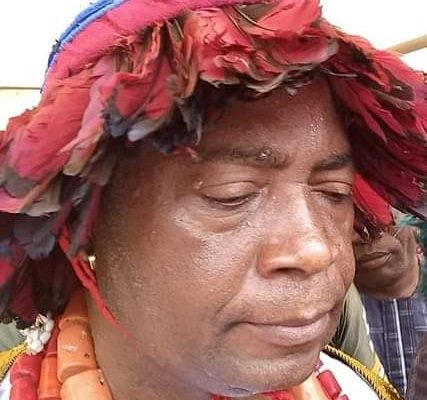
Greetings, sons and daughters of the Great Igala Kingdom! While the streets of Ijebu-Ode are currently vibrating with the colorful glitz and corporate sponsorship of the Ojúdé Ọba, a quiet giant sleeps in the heart of Igala land. It is time we ask ourselves: Why are we sitting on a gold-mine, while others are minting wealth from their heritage? The Ócho Royal (Hunting) Festival is not just a “moribund” ritual; it is a 17th-century masterpiece […]
Igala Heritage at the Crossroads
Attention is drawn to the disturbing trend of modern men, women and children who are unaware of cultural norms that are detrimental to the health of Igala heritage.
The Ata Communes
It was around mid-day, our attention was rivetted on a royal fortress – the ‘Òlógbóò-Àtá’ (Palace of the Ata-Igala) Ídá. Situated on the summit of a cliff, the palace overlooks the River Niger – which Igala native speakers call ‘Òhìmìnì fufu,’ as it makes its way southward, heading progressively to the Atlantic Ocean into which it empties its watery baggage. Behind the Ọdọgọ Cliff, which stands at a towering height shy of 190 feet […]
Welcome back, Ki-gala.com
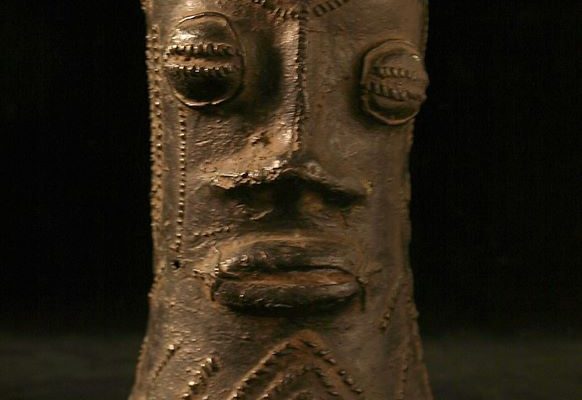
Welcome back, ki-gala.com We are awfully sorry to announce that our Igala studies website, https://www.ki-gala.com, is back on the Internet. We had some technical issues but are glad to say we have put that behind us. You, our esteemed visitors, are welcome back to the website. While on break, certain happenings have taken place around the world and our nation. On the international scene, the Ukrainian war still lingers and has precipitated hikes in food […]

Learn Igala Mother Tongue Online
Kigala-Online introduces a novel Igala literacy course designed for beginners through the medium of English language and the Internet. It is a part of the holistic instructional package aimed at safeguarding the Igala language, which is currently mortally endangered, against the external and internal forces railroading it towards ultimate extinction. My dear compatriots, this may sound alarmist, but the truth is that the Igala mother tongue is hanging precariously at the cliff’s edge, having become increasingly […]